

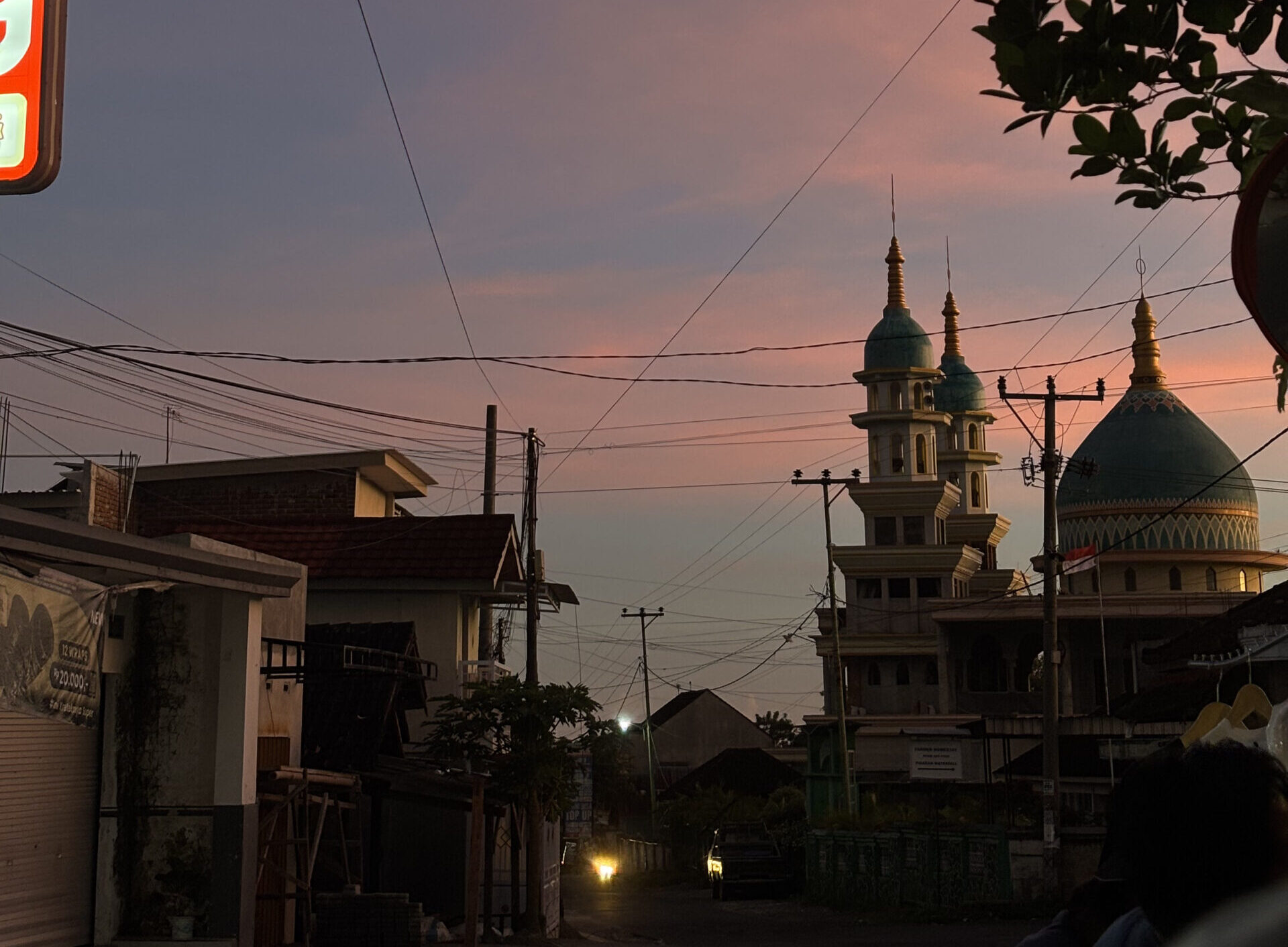
It was my very first time stepping on this island, and I was having a lot of questions when I saw a series of mosques located near to each other. Well, the place I was coming from looks a little similar, but I began to wonder if this is a cultural thing in Lombok.
After living among locals, I found that this is probably not only about religion or faith, but also identity and basically the Lombok people’s way of life.
Once landing in Lombok, it’s so easy for you to hear a call to prayer: five times a day, from dozens of directions at once. Lombok, the quieter island neighbor of Bali, wears its Islamic identity openly and with pride.
But why are there so many mosques here, and what does that mean for you who might come from places so different from Lombok?
A Deep-Rooted Faith
Lombok is home to the Sasak people, the island’s indigenous ethnic group, who make up around 85% of the population. Islam arrived in Lombok in the 16th century, gradually absorbing and blending with existing animist traditions to produce a unique local practice sometimes called Islam Wetu Telu.
Today, Lombok is one of the most devoutly Muslim regions in Indonesia.
The island has earned the informal title Pulau Seribu Masjid — the Island of a Thousand Mosques — and it’s not much of an exaggeration. With a population of around 3.5 million and a mosque-to-resident ratio that rivals many Middle Eastern countries, the density is striking.
In many villages, mosques aren’t just places of worship. They are the social, cultural, and architectural heart of the community. Building and maintaining a mosque is considered an act of collective piety.
What Tourists Will Encounter
For foreign visitors, particularly those arriving from non-Muslim countries, the mosque culture of Lombok is one of the island’s most distinctive features.
The adzan, the call to prayer broadcast from loudspeakers, begins before sunrise and repeats throughout the day. Light sleepers staying in guesthouses near village mosques should pack earplugs, but many travelers come to appreciate the calls as part of the island’s living soundtrack.
Dress codes matter here. When visiting mosques and other religious sites, covering shoulders and knees is both respectful and expected. During the holy month of Ramadan, restaurants in Muslim-majority areas may be closed during daylight hours, and public eating and drinking is best avoided out of courtesy.
A Richer, More Immersive Experience
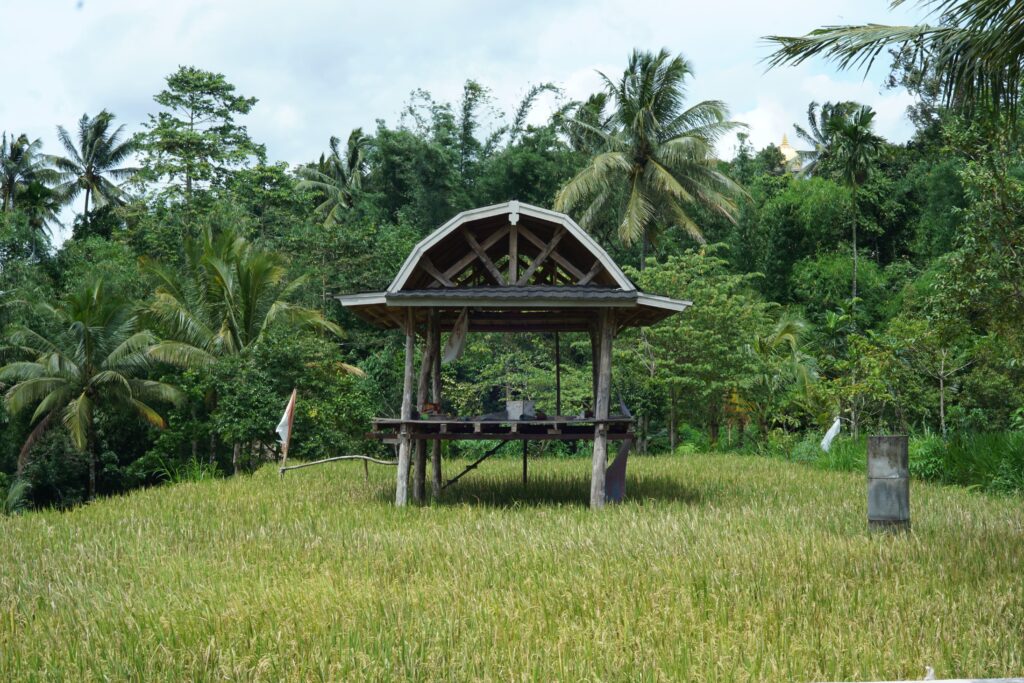
Aside from those few limitations, you should not worry too much. In fact, some of these new things could probably allow you to get a new interesting view of this island.
Far from being a barrier, Lombok’s Islamic character offers tourists something increasingly rare in Southeast Asian travel: an encounter with a culture that hasn’t been softened for outside consumption. Local festivals like Maulid Nabi (the Prophet’s birthday) fill village squares with music, lanterns, and communal feasts. It’s not rare to see some foreigners feel immersed in these sorts of events.
The island’s mosques themselves are worth seeking out architecturally. Many blend traditional Sasak design, such as tiered thatched roofs, carved wooden doors with classic Islamic forms.
The Lombok Islamic Center in Mataram, one of the largest mosques in Indonesia, is a landmark in its own right and open to respectful non-Muslim visitors outside of prayer times.
Traveling With Respect
Lombok rewards travelers who arrive with openness and cultural curiosity. Understanding that the island’s religious life is not a tourist attraction but a lived reality makes for a more honest and meaningful trip.
This could totally be experienced differently by foreigners. But it’s probably worth it. The mosques aren’t simply scenery. They are the reason Lombok feels so different from anywhere else, and that difference is precisely what makes the island worth visiting.